

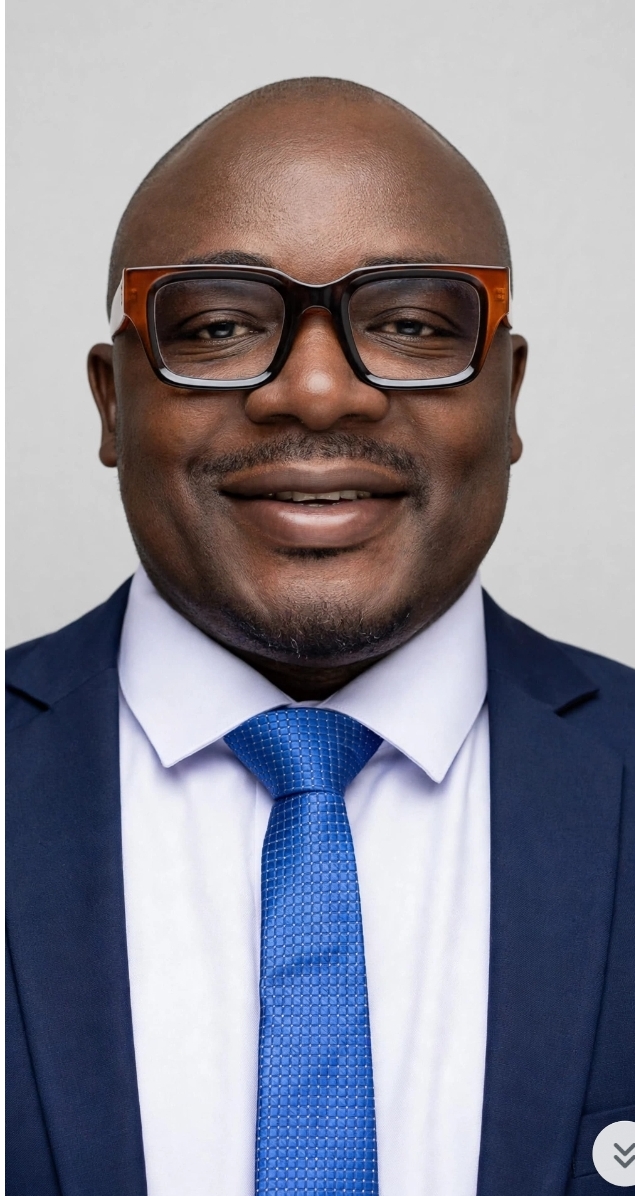
By Ewere Okonta, PhD
08037383019
eob.org.ng
The ladder of human progress is not made of wood or metal; it is made with human hands.
- Reno Omokri
There is a dangerous misconception about success in our society: the belief that great men become great entirely by their own efforts. We celebrate people's achievements, admire their accomplishments, applaud their wealth and sometimes envy their positions, but we rarely take time to ask an important question: Who held the ladder while they were climbing?
The truth is that no man is an island. Nobody succeeds entirely by himself. Behind almost every remarkable success story is someone who offered a hand, opened a door, made a sacrifice, provided an opportunity, gave encouragement or simply refused to allow another person to give up.
The ladder of human progress is not necessarily made of wood or metal. It is made of human hands. Sometimes, those hands belong to parents, teachers, mentors, employers, friends, benefactors, spouses, colleagues or even complete strangers whose acts of kindness change the direction of another person's life.
Nobody gets to the top entirely alone. Somebody, somewhere, held the ladder.
Consider the biblical account of Moses and Joshua. Joshua did not emerge from nowhere to become the successor of Moses. He served, learned and grew under Moses' leadership. Moses provided the platform upon which Joshua developed the capacity to lead Israel. Moses eventually laid hands on Joshua and transferred leadership responsibility to him (Numbers 27:18–23; Deuteronomy 34:9).
Think about Samuel and Eli. When the young Samuel could not understand the voice calling him in the night, it took the wisdom and guidance of Eli to help him recognise God's calling (1 Samuel 3:1–10). Sometimes, the difference between a confused young person and someone who discovers his purpose is simply the presence of a discerning mentor.
What about Paul and Timothy? Paul became a spiritual father, teacher and mentor to Timothy. He invested knowledge, wisdom and confidence in him, eventually entrusting him with important responsibilities in the early Church. In 2 Timothy 2:2, Paul instructed him to commit what he had learned to faithful people who would, in turn, teach others. This is the beautiful principle of generational investment: somebody helps you rise so that you can help somebody else rise.
Even the story of Esther reminds us that destiny sometimes needs a helping hand. Mordecai provided counsel, encouragement and direction when Esther found herself in a position that could change the fate of an entire people (Esther 4:13–16).
These biblical accounts teach us that greatness is not always a product of individual brilliance. Sometimes, it is the outcome of another person's willingness to recognise, nurture and support the potential in us.
THE NIGERIAN EXPERIENCE
Look around Nigeria, and you will discover that the principle is not different in politics, business, education and other spheres of national life.
In Nigerian politics, many successful political careers have been shaped by those who provided mentorship, political platforms, opportunities and institutional support. Chief Obafemi Awolowo's political philosophy, leadership and mentorship influenced a generation of political leaders, including Chief Bola Ige. In contemporary Lagos politics, President Bola Tinubu played a significant role in the political emergence and advancement of successive governors such as Babatunde Fashola and Akinwunmi Ambode, as well as other political actors.
One may agree or disagree with the politics of mentorship, political godfatherism or succession arrangements, but the underlying reality remains: political platforms, networks and opportunities often determine how far an individual can go.
The corporate world tells a similar story.
Take Aliko Dangote, for instance. His entrepreneurial journey benefited from the early financial support and business guidance of his maternal uncle, Alhaji Sanusi Dantata. Dangote had ambition and entrepreneurial instincts, but access to capital and mentorship helped provide the foundation for his eventual business empire.
Consider Tony Elumelu and the philosophy of Africapitalism. Beyond building businesses, he has invested in identifying, training, mentoring and financing young African entrepreneurs through the Tony Elumelu Foundation. Thousands of aspiring entrepreneurs have received opportunities to turn their ideas into viable businesses.
These examples demonstrate something important: the real measure of greatness is not merely how high we climb, but how many people we help to climb after us.
MY PERSONAL TESTIMONY: THE MAN GOD USED TO HOLD MY LADDER
Permit me to bring this discussion closer home.
Before I met Dr. Donald Peterson, I already had an MBA. At that stage of my life, I had practically concluded my academic journey. I was comfortable with my qualifications and was not particularly enthusiastic about returning to the classroom to pursue another postgraduate degree.
But sometimes, God has a different arrangement for our lives. He places certain people along our paths, not necessarily because we lack the capacity to succeed, but because we need someone to help us discover possibilities beyond our imagination.
My encounter with Dr. Donald Peterson changed that narrative.
Through his encouragement, benevolence and extraordinary investment in my academic development, I returned to the educational ladder. He sponsored both my MSc and PhD programmes at Wellspring University, Benin City.
Today, I hold a PhD in Business Administration. What I once considered an unnecessary academic adventure eventually became one of the most defining accomplishments of my life.
I had the ambition, but he provided the opportunity. I had the intellectual capacity, but he helped create the platform. I had the willingness to learn, but his generosity made the journey possible.
For me, Dr. Donald Peterson is the ladder God strategically placed in my path to climb to the pinnacle of my academic aspirations. His investment in my life is a reminder that some people do not merely give you money; they invest in your future, expand your possibilities and help you become a better version of yourself.
I will never pretend that I achieved this milestone entirely by myself. I recognise the sacrifices, encouragement and generosity that made it possible. And I consider it a responsibility to extend the same spirit of investment to others.
THE QUESTION IS: WHOSE LADDER ARE YOU HOLDING?
Here is where this sermon becomes a challenge to all of us.
We live in a society where everybody wants to climb, but very few people are willing to hold the ladder for someone else. Everybody wants to become a professor, but how many are willing to mentor a young academic? Everybody wants to become a successful entrepreneur, but how many are prepared to invest in a struggling young business owner? Everybody wants their children to succeed, but how many are willing to support children outside their immediate families?
We have become a society of ambitious climbers but reluctant ladder holders.
Some parents want their children to become successful without providing the necessary guidance, discipline and support. Some employers want exceptional employees but are unwilling to invest in training and professional development. Some political leaders want loyal followers but are uncomfortable creating opportunities for younger generations to emerge. Some successful professionals would rather protect their positions than help others discover theirs.
This is not how societies develop.
A society progresses when those who have opportunities create opportunities for others. A nation becomes stronger when the successful deliberately invest in the next generation. A family becomes better when parents prepare their children to go further than they ever did.
And let us not forget that holding someone's ladder does not always require millions of naira. Sometimes, it is a recommendation letter. Sometimes, it is a scholarship. Sometimes, it is paying someone's examination fees, offering a job, sharing useful information, providing business advice, making an introduction or simply believing in someone when the world has given up on that person.
You do not need to be wealthy to change somebody's life. You only need to be willing.
GRATITUDE: THE RESPONSIBILITY OF THOSE WHO HAVE CLIMBED
There is another important lesson here: never forget the people who held your ladder.
Success should not make us arrogant. Academic qualifications should not make us disrespect those who supported our education. Political appointments should not make us abandon those who provided our platforms. Wealth should not make us insensitive to the struggles of those still finding their feet.
Remember where you started. Remember who believed in you. Remember who opened the door. Remember who made the sacrifice when there was nothing to gain in return.
And when you eventually reach the top, do not kick away the ladder.
Make yourself available to another person. Become the mentor you once needed. Become the benefactor you once prayed for. Become the employer who gives someone a first opportunity. Become the teacher who sees potential in a struggling student. Become the leader who creates room for younger people to grow.
Jesus Christ taught in Luke 6:38 that giving attracts receiving. The principle of giving is not restricted to money; it includes knowledge, opportunities, kindness, encouragement and the investment of our time in other people's lives.
Indeed, one of the greatest legacies anyone can leave behind is not the number of properties acquired, the positions occupied or the titles accumulated, but the number of lives positively transformed through their intervention.
As you begin another week, I leave you with three questions for personal reflection:
- Who held the ladder for you when you needed help to climb?
- Whose ladder are you currently holding, and whose progress are you making possible?
- If everybody treated others the way you treat those seeking opportunities, would our society become a better place?
The world does not need more people who are only interested in climbing. It needs more people who are willing to hold the ladder.
Remember: You may be the reason someone becomes what God has destined them to become. Never underestimate the power of a helping hand.
May God bless those who held our ladders, strengthen those who are still climbing and give us the grace to become ladders for others.
Happy Sunday!
Dr Ewere Okonta is the CEO of EOB Media, a family-values advocate, teacher and writer. He writes from the Department of Business Administration, University of Delta, Agbor.


Comments (0)
No comments yet. Be the first to share your thoughts!
Leave a Comment