

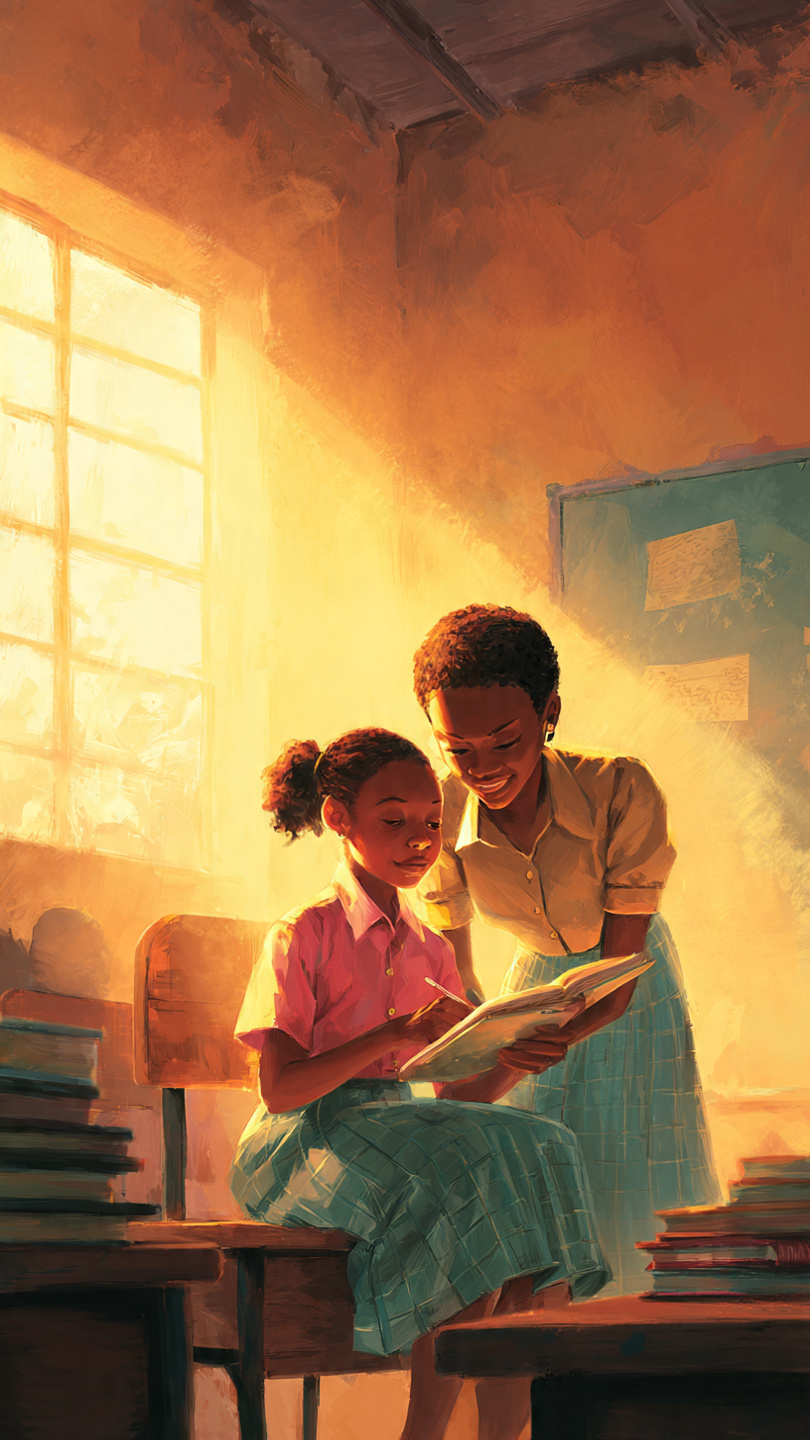
Education is more than classrooms, exams, and certificates. It’s the process of turning curiosity into understanding, and understanding into the ability to act in the world with purpose.
At its core, education gives people leverage. It gives a child the tools to read a contract, question a claim, and imagine a life beyond the one they were born into. It gives a community the ability to solve its own problems instead of waiting for someone else to solve them. When knowledge spreads, dependence shrinks.
The best education doesn’t just transfer facts. It trains judgment. It teaches you how to sit with a difficult problem long enough to see its structure, how to distinguish signal from noise, and how to change your mind when the evidence demands it. That’s why a well-educated person can adapt to jobs that don’t exist yet, while someone with only rote training is left behind when the world shifts.
Education also carries a moral weight. Knowledge without care produces clever technicians. Knowledge paired with care produces people who build, heal, and lead responsibly. The teacher who stays late, the library that stays open, the mentor who notices a quiet student — these are the moments where education becomes human.
It’s not always fast, and it’s rarely glamorous. Progress looks like a student rereading a paragraph until it clicks, a teacher re-explaining a concept a different way, a community investing in a school when there are a hundred other demands on the budget. But over time, those small acts compound. Societies that take education seriously don’t just get richer. They get freer, more resilient, and harder to deceive.
If you want to change a life, change what a person knows and believes they can do. That’s what education does. And that’s why, even in an age of endless information, it remains irreplaceable.
_Written by Mrs. Iyamah Ifeoma Love_
Comments (0)
No comments yet. Be the first to share your thoughts!
Leave a Comment