

By Jonathan Onwuka
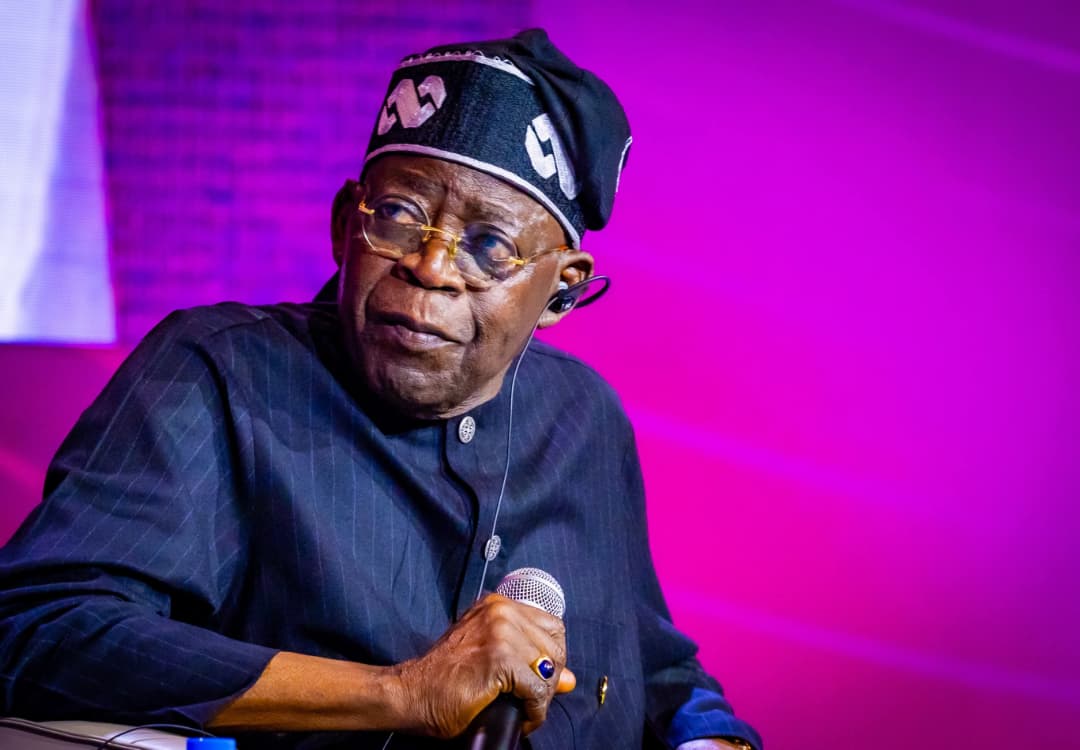
President Bola Ahmed Tinubu’s third anniversary address presents a confident and structured account of economic reform, infrastructure expansion, and national recovery. The address is anchored on the claim that bold policy decisions taken at the start of the administration have stabilized the economy and placed Nigeria on a stronger long-term growth.
The President highlighted key reforms such as the removal of fuel subsidy , unification of exchange rates, fiscal restructuring, increased revenues, growing investor confidence, and expansion in infrastructures across the country. He also pointed to developments in the oil and gas sector, agriculture, housing, education funding, digital transformation, and security operations as evidence of progress.
However, when this official narrative is measured against the daily life experiences of many Nigerians , a more complex and less comfortable reality emerges.
On the economic front, while macro-economic indicators may suggest a degree of stabilization, the cost of living remains extremely high for the average citizen. Food prices, transportation costs, and basic household expenses continue to stretch family incomes beyond breaking point. Many small businesses are struggling with low consumer purchasing power, while unemployment and underemployment remain persistent challenges, especially among young people.
The government ’s economic reforms have undeniably altered fiscal structures, but for many households, the benefits of these adjustments are not yet visible in practical terms. In reality, a significant number of Nigerians are still operating on survival mode, where daily decisions are shaped more by hardship than by hope.
In the area of infrastructure, the administration has cited ongoing construction of highways, rail projects, and energy investments . While these projects are important and in many cases verifiable, the impact on everyday life remains uneven. In several parts of the country, citizens still contend with poor road conditions, limited rural connectivity, and delays in project completion. As a result, there remains a gap between project announcements and impacts as they are often times not completed on schedule.
The energy sector presents a similar contradiction. Despite reported reforms, increased investment in gas, and efforts to improve refining capacity, Nigerians continue to experience unstable electricity supply and high energy costs. Fuel price adjustments following subsidy removal have further increased transportation and production costs, placing additional pressure on households and businesses.
In the education and youth development sector, government interventions such as student loan schemes and digital economy initiatives are commendable steps toward expanding access and opportunity. However, many young Nigerians still face significant barriers, including unemployment, limited job creation, skills mismatch , and growing migration pressures. For many, the promise of opportunity has not yet translated into widespread economic security.
Security remains another critical concern. While the government reports intensified operations against criminal groups and some localized improvements, insecurity continues to affect large parts of the country. Kidnapping, banditry, communal conflicts, and highway attacks remain persistent threats in several regions, contributing to a continued sense of vulnerability among citizens.
At the core of this analysis lies a fundamental tension: the gap between reform at the macro-economic level and relief at the household level. Nigeria is undergoing significant structural adjustments aimed at long-term stability, but the short-term social cost of these reforms is being heavily felt by ordinary citizens.
This creates what can be described as a “transition burden, ” where the economy is being reshaped, but the population is still absorbing the shock. While government policies may be directed toward future growth and sustainability, the immediate realities for many Nigerians remain difficult and, in some cases, worsening.
Ultimately, President Tinubu’s speech reflects a reform-driven administration confident in its long-term economic direction. However, the success of these reforms will not be judged solely by fiscal indicators or investment inflows, but by how quickly and effectively they translate into improved living conditions for ordinary Nigerians.
Nigeria today stands at a critical intersection between policy transformation and public expectation. The reforms may be underway, but the central question remains: how soon will their benefits move from economic statistics into the daily lives of the people?
Until that bridge is fully built, the conversation between government narrative and reality will continue to define the national mood.



Comments (0)
No comments yet. Be the first to share your thoughts!
Leave a Comment